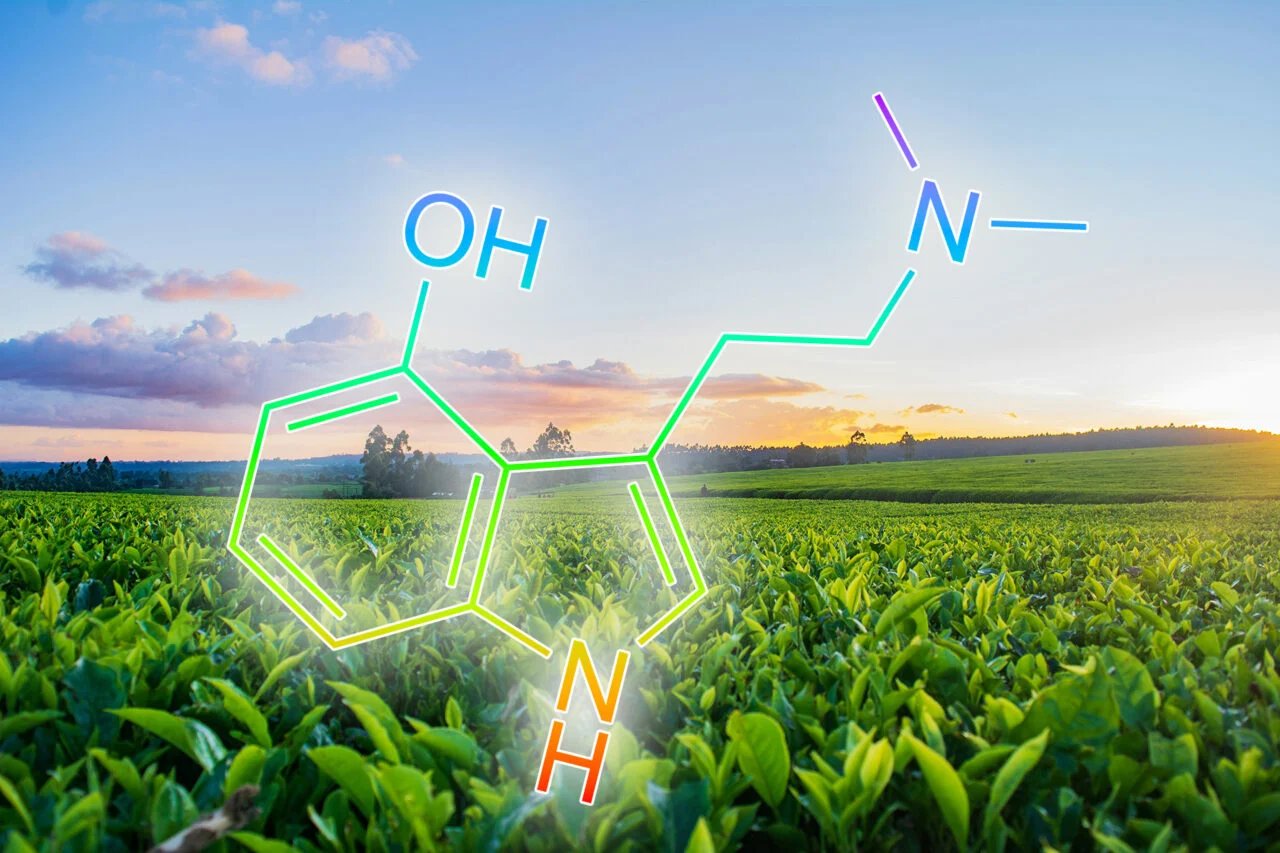
Se você não tinha “tabaco psicodélico” em sua cartela de bingo de “boas notícias em potencial” para esta semana, bem, eu também não. Mas de acordo com um papel publicado esta semana em Avanços da Ciênciapesquisadores do Instituto Weizmann de Ciência em Israel conseguiram modificar geneticamente plantas de tabaco para produzir um saco ziplock completo com psicodélicos intimamente relacionados: “Psilocina e psilocibina encontradas em cogumelos, DMT de plantas e bufotenina e 5-metoxi-DMT secretado pelo sapo do deserto de Sonora.”
Esta é claramente uma boa notícia para o humilde sapo do deserto de Sonora, que um dia poderá ser capaz de cuidar de seus negócios sem o risco de algum entusiasta de olhos esbugalhados tentar pegá-lo e dar-lhe uma lambida. Mas também é uma boa notícia para o resto de nós – e não porque você possa decolar para o espaço interior com a vantagem adicional de ter câncer de pulmão.
Como observa o artigo, a pesquisa sobre essas e outras substâncias psicodélicas sugeriu que elas podem “promover a neuroplasticidade e modular os circuitos serotoninérgicos… [demonstrating therapeutic potential for depression, anxiety, posttraumatic stress disorder, and addiction.” Being able to produce them via biosynthesis in a fairly common plant would be a more straightforward and cost-effective method than retrieving them from their natural sources.
As if just discussing both the benefits and production of psychedelics in a refreshingly matter-of-fact manner wasn’t enough, the paper also includes a throwback to the good old days of several years ago, when the primary use of AI software was for researching protein folding. The team describes using an AI-powered software package to figure out why a certain enzyme used in the production of 5-methoxy-DMT was performing poorly: “After the team fixed the problem with a targeted mutation, the amount of 5-methoxy-DMT in the tobacco plants increased 40-fold.” Now that’s a use for AI that we can get behind!
As well as using tobacco plants to replicate naturally occurring psychedelic molecules, the paper also discusses the production of halogenated analogs of these molecules. Basically, these are altered versions of the molecules where one or more of the hydrogen atoms that hang off the molecule’s carbon chain are replaced by halogen atoms, i.e. fluorine, chlorine, or—less commonly—bromine or iodine. Carbon-halogen bonds are generally stronger than carbon-hydrogen bonds, and while the intricacies of drug design are well beyond the remit of this article, the tl;dr is that the addition of halogens to drugs can make them more stable, more potent, and/or more selective in their activity. (If you’re interested in reading more, this paper on halogen-containing drugs is a good place to start.)
This is notable in the case of psychedelics because, as the paper points out, “several halogenated … derivatives [of these drugs] demonstraram potencial terapêutico para transtornos mentais.” Esta continua a ser uma área activa de investigação, e a capacidade de produzir tais moléculas de uma forma que parece ser razoavelmente simples promete ajudar nessa investigação. O artigo inteiro é uma leitura fascinante e, felizmente, é disponível na íntegra de graça.